MAA Regulatory Spotlight - 27
October 9, 2026
Showcasing the latest developments, news and updates from African national medicines regulatory authorities.
This edition of Market Access Africa Regulatory Spotlight highlights a period of consolidation for the African Medicines Agency, with developments underscoring its efforts to strengthen both its operational capacity and its international standing. The Agency's AfriVigilance digital safety system was officially launched, providing the continent with an end-to-end platform for pharmacovigilance across the medical product lifecycle. This was accompanied by a dialogue convened with African Union Ambassadors in Kigali on advancing universal ratification of the AMA Treaty, and the signing of a Statement of Cooperation with the United States Food and Drug Administration, formalising a framework for regulatory collaboration between the two institutions.
Regional harmonisation mechanisms also continued to mature during the last month. The ZAZIBONA collaborative procedure convened its 56th Assessors' Session in Gaborone, Botswana, while the IGAD Medicines Regulatory Harmonization initiative held a joint assessment of medicine dossiers in Machakos, Kenya, with the full participation of all IGAD Member States. Both developments reflect the continued value placed on collaborative review as a means of improving regulatory efficiency and timely access to quality-assured medicines across their respective regions.
At the national level, Uganda's National Drug Authority progressed toward WHO Maturity Level 3 following a period of technical document review and validation, while the TRACE Project advanced clinical trial review and traditional medicine research standards in Tanzania through initiatives led by NIMR and TMDA. SAHPRA's co-authorship of a paper on digital transformation in African medicines regulation further illustrates a broader continental trend toward the structured adoption of digital tools and artificial intelligence in regulatory decision making. Taken together, these developments point to a regulatory landscape advancing on multiple fronts simultaneously, with continental institutions, regional harmonisation initiatives and national authorities each contributing to a more coordinated and evidence-based system of medicines regulation across Africa.
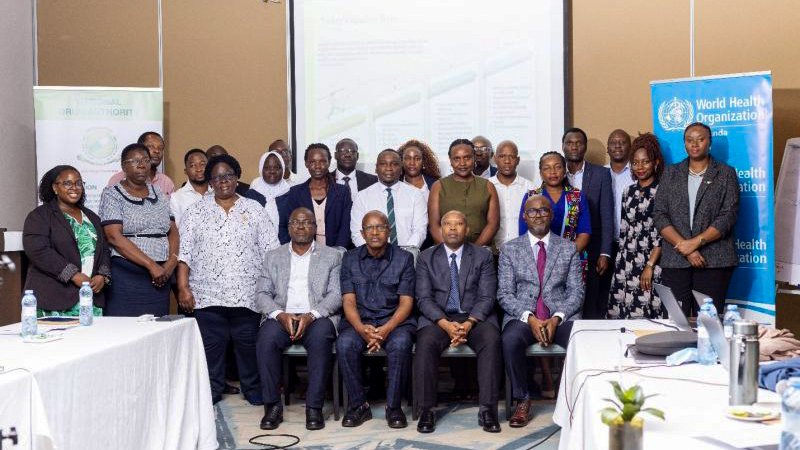
The Uganda National Drug Authority (NDA), the government body responsible for regulating medical products in Uganda, is advancing toward World Health Organization (WHO) Maturity Level 3. With WHO support extended across three levels, the NDA reviewed priority technical documents aligned to international regulatory standards as part of this process.
A four-month effort culminated in a workshop held in Kampala from 25 to 29 May 2026, during which guidelines on substandard and falsified products, complaints and appeals, and reliance frameworks were validated. Standard operating procedures, templates and decision-making tools were also validated during the workshop.
These developments are aimed at strengthening regulatory excellence within the NDA and protecting public health by enabling safer access to quality medicines nationwide.

The 56th ZAZIBONA Assessors' Session was successfully held in Gaborone, Botswana, from 22 to 26 June 2026, bringing together assessors from National Medicines Regulatory Authorities (NRAs) across the SADC region to advance regulatory harmonisation and improve timely access to quality-assured medicines.
Throughout the session, assessors collaboratively reviewed applications, harmonised scientific and regulatory approaches, and reached important policy decisions that will further strengthen the efficiency, consistency and quality of the ZAZIBONA collaborative procedure.
The Botswana Medicines Regulatory Authority (BoMRA) served as the host, while the World Health Organization continues to provide technical support and remains committed to strengthening regulatory systems and advancing regulatory harmonisation across the region.

In June 2026, the TRACE Project achieved milestones in strengthening Tanzania's health research systems through two initiatives in Morogoro, implemented by the National Institute for Medical Research (NIMR) in collaboration with the Tanzania Medicines and Medical Devices Authority (TMDA). The initiatives align with Africa's long-term ambition to increase its share of global clinical trial participation from below 2% to 10% by 2030.
From 17 to 19 June 2026, clinical trial reviewers from regulatory authorities and research institutions took part in a training programme in Morogoro aimed at strengthening ethical and regulatory review of clinical trial protocols in Tanzania. The training built competencies in regulatory compliance assessment against national legal frameworks, early identification of risks within trial protocols, application of ethical standards to human subject research, and safeguarding participant protection across the trial lifecycle.
On 22 June 2026, NIMR convened a stakeholders' harmonisation meeting to review the draft Traditional Medicine Research Guidelines, bringing together government institutions, regulators, universities, researchers, healthcare providers, traditional medicine practitioners and development partners. The guidelines aim to foster scientific rigour and ethical conduct in traditional medicine research while preserving indigenous knowledge, reflecting the role of traditional medicine as a primary source of healthcare for many Tanzanians.
The discussions and insights from both events will directly shape the final guidelines and governance frameworks for health research in Tanzania. The full report can be accessed here.
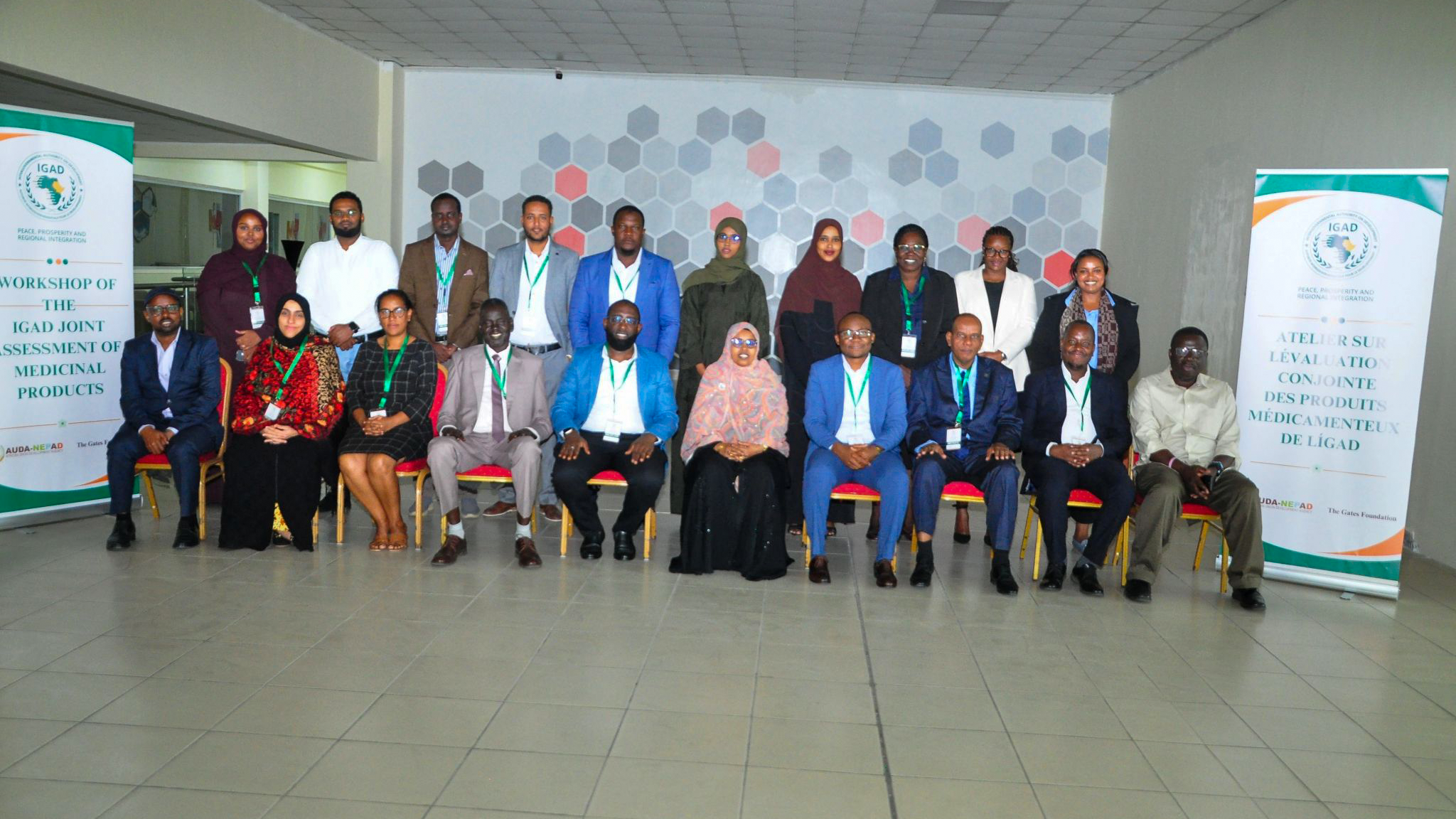
The IGAD Medicines Regulatory Harmonization (IGAD-MRH) initiative convened a joint assessment of medicine dossiers in Machakos, Kenya, from 22 to 27 June 2026, bringing together regulatory experts from all Member States of the Intergovernmental Authority on Development (IGAD).
The session saw the active participation of all IGAD Member States, reflecting continued regional collaboration and commitment to harmonised regulatory practices. During the assessment, more than seven product dossiers were evaluated through a coordinated review process, with applications submitted by both regional and international applicants, reflecting growing confidence in IGAD-MRH as a platform for efficient and transparent medicines evaluation.
The milestone underscores continued efforts to enhance regulatory efficiency, promote reliance mechanisms, and improve timely access to safe, quality and effective medicines across the IGAD region.
The South African Health Products Regulatory Authority (SAHPRA), together with global partners, has co-authored a new paper titled "Digital Transformation of Medicines Regulation in Africa: Perspectives from a Stakeholder Convening”. The paper examines how NRAs in different regions are integrating digital technologies and artificial intelligence (AI) into medicines regulation to improve efficiency, strengthen decision-making, and enhance public health protection.
The paper notes that regulators internationally share common goals in this regard, though their approaches vary according to institutional structures, capacity, maturity and regional priorities. In the United States, the FDA's approach centres on using AI as a regulatory science tool to support analytical elements of decision-making, applying a risk-based framework to evaluate AI models according to their influence on regulatory outcomes. In Europe, the EMA has adopted a broader system-level digital transformation strategy, focused on interoperability, data structuring, automation and governance underpinned by legislation.
On the African continent, NRAs are advancing the adoption of AI through pragmatic pilot initiatives. SAHPRA is implementing AI within a structured digitisation strategy, including AI-assisted dossier screening and automated Good Manufacturing Practice (GMP) review to address application backlogs and improve workflow efficiency. The Medicines Control Authority of Zimbabwe (MCAZ) has deployed AI-driven dossier screening through its own digital systems, while Kenya's Pharmacy and Poisons Board has proposed a risk-based framework for regulating AI-enabled medical devices. At the continental level, the African Medicines Agency (AMA) and AUDA-NEPAD are working to harmonise digital transformation and responsible AI adoption through reliance mechanisms and cross-border data sharing.
The full paper can be accessed here.
The African Medicines Agency (AMA) convened African Union Ambassadors in Kigali, Rwanda, for a dialogue on advancing universal ratification of the AMA Treaty. The discussions were facilitated by AMA's Envoy for Treaty Ratification and highlighted the critical role of the AMA in strengthening regulatory systems across Africa and improving access to safe, effective and quality-assured medicines.
Participants called for greater visibility and support for the AMA, citing its role in advancing health security and sovereignty across the continent. Universal ratification of the AMA Treaty is an important step toward realising a harmonised regulatory environment that supports innovation, local pharmaceutical manufacturing, and equitable access to medical products across the continent.
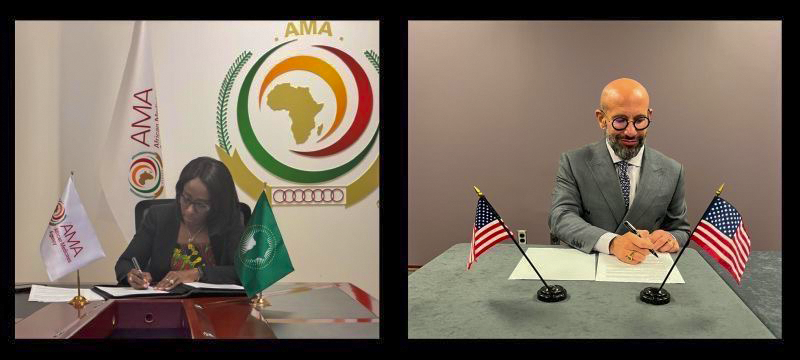
The African Medicines Agency (AMA) and the United States Food and Drug Administration (US FDA) have signed a Statement of Cooperation (SOC), establishing a formal framework for regulatory collaboration between the two institutions. The agreement reflects both agencies' commitment to advancing regulatory convergence, harmonisation and information exchange, grounded in science-based approaches to ensuring the safety, quality and efficacy of medical products across Africa.
The SOC was signed in June 2026 by the Director-General of the AMA, in Rwanda, and the Associate Commissioner for Global Policy and Strategy at the US FDA, in the United States.
The SOC covers medical products regulated by, and activities within the mandate of, both the AMA and the US FDA. Under the agreement, the two agencies will develop a plan to exchange information, strengthen regulatory cooperation, and explore mechanisms for regular engagement. Specifically, the AMA and the US FDA will work to facilitate effective exchange of information, develop new or strengthen existing cooperative efforts and initiatives, including within relevant international initiatives for medical product regulation, and coordinate stakeholder groups relevant to medical product regulation where appropriate and in line with their respective mandates.
The agreement builds on the recent establishment of the FDA African Medicines Agency Liaison Office (AMALO) at the US Embassy in Kigali, Rwanda, which supports ongoing engagement between the FDA, the AMA and NRAs across the continent. With Africa's pharmaceutical market projected to exceed US$50 billion by 2030, the SOC reflects continued efforts to strengthen coordinated regulatory systems supporting timely access to quality-assured medical products across the continent.
The African Medicines Agency (AMA) officially launched its AfriVigilance digital safety system on 29 June 2026 marking a significant milestone for medical products safety monitoring across the continent. The launch followed the inaugural meeting of the 11-member AfriVigilance Project Oversight Committee, chaired by a representative of the National Drug Authority, Uganda.
The Committee's regulatory representation includes officials from the Egyptian Drug Authority, the Medicines Control Authority of Zimbabwe, the Congo Brazzaville Regulatory Authority, and the Senegalese Pharmaceutical Regulatory Agency. Partner and technology solutions provider representation on the Committee includes officials from the UK Medicines and Healthcare products Regulatory Agency (MHRA), the Gates Foundation, and Qinecsa Solutions UK Opco Limited.
AfriVigilance is a comprehensive, end-to-end continental digital platform for monitoring the safety of medical products. It functions as a central hub for collecting, managing and analysing data on potential safety issues, generating real-time evidence and signals to inform regulatory and public health decisions. The platform connects evidence across the entire lifecycle of a medical product, from clinical development through to real-world use, a feature considered to be the first of its kind globally.
As clinical trial activity and manufacturing capacity on the continent continue to grow, the ability to link these datasets is intended to allow Africa to generate its own evidence base, rather than relying predominantly on external data sources. The initiative is positioned as a foundational step in strengthening pharmacovigilance systems and safeguarding public health across the continent, complementing broader continental harmonisation efforts under the AMA.


.png)