MAA Regulatory Spotlight - 25
May 7, 2026

Showcasing the latest developments, news and updates from African national medicines regulatory authorities.
This edition of the Market Access Africa Regulatory Spotlight captures a particularly active period for African medicines regulation, with developments spanning national, regional and continental levels.
At the continental level, the African Medicines Agency has validated the findings of its Continental Listing Pilot, formalised a Memorandum of Understanding with the United States Pharmacopeia, and joined the USP Convention, signalling a deliberate strategy to embed the Agency within both continental and global regulatory architectures. The Egyptian Drug Authority's admission as a voting member of the USP Convention further reinforces this trajectory of expanding African representation within international standards setting bodies.
At the national level, several authorities have advanced significant initiatives. The Medicines Control Authority of Zimbabwe underwent a WHO Global Benchmarking Tool mission for Maturity Level 4, an outcome which, if successful, would position the Authority as the first on the continent to attain this level. The Botswana Medicines Regulatory Authority has opened an expedited review window for veterinary medicinal products and has invited public comment on the draft subsidiary regulations under its new Medicines and Related Substances Act, 2025. The Zambia Medicines Regulatory Authority continues to advance its legislative reform process through stakeholder engagement on the Medicines and Allied Substances Bill, 2026, while Kenya's Pharmacy and Poisons Board has issued new guidelines on the regulation of medical device software. Ghana's Food and Drugs Authority has progressed the rollout of its national Traceability and Verification System, and Tunisia's National Agency for Medicines and Health Products has reinforced its transition to mandatory electronic submissions through the eCTD framework.
Taken together, these developments illustrate a continent in regulatory motion, with national authorities pursuing modernisation through legislative reform and capacity strengthening, while continental and international partnerships continue to expand.

The Medicines Control Authority of Zimbabwe (MCAZ) commenced a World Health Organization (WHO) Global Benchmarking Tool (GBT) mission for Maturity Level 4 (ML4), running from 27 April to 1 May 2026 in Harare. The mission was preceded by a WHO observed audit of Good Manufacturing Practices (GMP) inspections, conducted from 7 to 10 April 2026, which formed part of the Authority's preparatory activities. The observed audit was directed at assessing the performance, competence, and effectiveness of MCAZ inspectors against international standards, while identifying areas for further strengthening ahead of the formal benchmarking exercise.
The opening session of the benchmarking mission was attended by officials from the Ministry of Health and Child Care and the Attorney General's Office, senior representatives of the MCAZ Board and management, the WHO Country Representative, the WHO benchmarking team, and other stakeholders within Zimbabwe's health regulatory system. Proceedings included a comprehensive overview of the mission's objectives, expected outcomes and methodology, as set out under the WHO GBT framework. MCAZ delivered presentations on its regulatory functions across the core areas under assessment, including marketing authorisation, pharmacovigilance, market control, licensing of establishments, regulatory inspections, laboratory testing and clinical trials oversight. Following the opening session, WHO experts commenced detailed technical assessments, document reviews and interviews with MCAZ personnel, aimed at evaluating the performance of Zimbabwe's national regulatory system against international standards and identifying areas for further strengthening.
The mission represents a significant step in Zimbabwe's regulatory strengthening trajectory, following the Authority's attainment of WHO Maturity Level 3 (ML3) in 2024. The outcomes of this benchmarking exercise are expected to inform the development of an enhanced Institutional Development Plan and a roadmap towards ML4. MCAZ has indicated that the engagement reflects its continued commitment to ensuring that medicines and medical products available in Zimbabwe meet established standards of quality, safety and efficacy, while contributing to regional regulatory harmonisation and improved public health outcomes.
WHO Maturity Level 4 represents the highest tier on the GBT scale and is awarded to regulatory authorities operating at an advanced level of performance and continuous improvement. No African national regulatory authority has attained ML4 to date, and a successful outcome would position MCAZ as the first on the continent to reach this level. Such a development would carry significant implications for Zimbabwe's positioning in continental reliance arrangements and its eligibility to host WHO-listed regulatory functions. The mission also illustrates the increasing pace at which African regulators are advancing through the maturity levels, reinforcing the case for stronger reliance and work sharing across the continent.

The Medicines Control Authority of Zimbabwe (MCAZ) hosted a pharmacovigilance benchmarking training in Harare, convening regulatory teams from the Medicines Control Agency (MCA) of The Gambia and the Namibia Medicines Regulatory Council (NMRC). The training was designed to support partner authorities in strengthening their pharmacovigilance systems and advancing their progression along the WHO regulatory maturity framework.
The programme focused on practical, high impact areas of pharmacovigilance practice, including signal management, the assessment of Periodic Safety Update Reports and Periodic Benefit-Risk Evaluation Reports, Good Pharmacovigilance Practices inspections, and the application of regulatory reliance approaches. The technical content drew on MCAZ's established frameworks and operational experience in these areas. Beyond the formal sessions, the engagement provided a platform for participating authorities to share experiences, align approaches and strengthen cross regional collaboration on pharmacovigilance matters.
The initiative forms part of MCAZ's broader contribution to capacity building and the harmonisation of pharmacovigilance practices on the continent, with a particular focus on supporting partner institutions in their progression towards WHO Global Benchmarking Tool Maturity Level 3. The Authority received support from AUDA-NEPAD in facilitating the exchange through the African Union Strengthening Safety Surveillance Systems (AU3S) programme. MCAZ was designated a Regional Centre of Regulatory Excellence (RCORE) under the African Medicines Regulatory Harmonisation Initiative in 2014, providing training and technical services to regulators from national medicines regulatory authorities, regulatory affairs professionals within the pharmaceutical industry, and members of the academic community.
Pharmacovigilance remains one of the weaker regulatory functions across many African national regulatory authorities and is consistently identified as a priority area for strengthening under the WHO benchmarking framework. Peer-to-peer learning models, such as the one hosted by MCAZ, offer a practical mechanism for transferring institutional knowledge between authorities at different stages of maturity, complementing more traditional donor led capacity building. The engagement also shows the operational value of RCOREs.
The Botswana Medicines Regulatory Authority (BoMRA) has issued a call for the submission of dossiers for the registration of veterinary medicinal products (VMPs) through its expedited regulatory review pathway. The Authority has invited principals, manufacturers and Marketing Authorisation Holders to participate in the initiative, which forms part of BoMRA's broader efforts to improve access to quality-assured, safe and effective veterinary medicines on the Botswana market.
The expedited pathway is underpinned by BoMRA's Reliance Policy, which provides for the recognition of regulatory decisions issued by competent authorities with established regulatory systems. Applications submitted under this route will be subject to a streamlined evaluation process, while maintaining the scientific and regulatory rigour applied to standard assessments. The submission window will be open from 1 May to 31 July 2026, with compliant applications targeted for conclusion within four calendar months from the date of submission. Dossiers are to be lodged online through the BRIMS Self-Service Portal, and applicable fees are pre-configured in line with the approved Fee Schedule.
Applicants are required to submit a complete Common Technical Document (CTD) dossier covering Modules 1 to 5. Drawing on lessons from an earlier pilot phase, the Authority has emphasised that all information pertaining to each module must be compiled and submitted as a single, complete module, and that applicants should refrain from lodging multiple fragmented folders for the same module. Submissions that do not meet these structural requirements will not be accepted for scientific review. Products previously submitted under the pilot project phase, where applicants are still addressing outstanding queries, will fall outside the current project timelines and will be processed in line with the standard registration pathway. BoMRA has further encouraged interested applicants to arrange pre-submission meetings with the Veterinary Medicines Unit to discuss product-specific considerations and to support the submission of complete dossiers. Additional details on the call and the eligibility criteria are available on the BoMRA website.
Veterinary medicines regulation has historically received less attention than human medicines regulation across much of the African continent, yet it is central to safeguarding animal health, food safety and the broader One Health agenda. By extending reliance-based, expedited review to VMPs, BoMRA is signalling that facilitated regulatory pathways need not be confined to human medicines, and is offering a practical model for how African regulators can accelerate access to quality-assured veterinary products without compromising scientific standards.
The Botswana Medicines Regulatory Authority (BoMRA) has invited interested parties and stakeholders to submit written comments on the draft Medicines and Related Substances (General) Regulations, 2025. The call for comments follows the enactment by Parliament of the Medicines and Related Substances Act, 2025, which modernises the regulatory framework governing medicines, medical devices, blood products, cosmetics and related substances in Botswana. To give full effect to the new Act, comprehensive regulations have been developed covering all aspects of regulatory operations.
The deadline for the submission of written comments is 20 May 2026. The Authority has further indicated that it will convene stakeholder engagement sessions to facilitate discussion and feedback on the draft regulations, with formal invitations setting out the dates, times and venues to be circulated separately to registered stakeholders, industry associations, professional bodies and interested groups. The complete draft regulations are available for download on the BoMRA website, and may also be requested by email from the Authority's legal office (legal@bomra.co.bw).
Subsidiary regulations are the operational backbone of any medicines regulatory framework, translating the broad provisions of primary legislation into the detailed rules that govern day to day regulatory practice. The publication of the draft regulations under the new Medicines and Related Substances Act, 2025, is the final stage in Botswana's transition to a modernised regulatory regime, and presents a meaningful opportunity for industry, healthcare professionals and other stakeholders to shape the rules that will govern market access, post-market oversight and enforcement in the country. Robust public consultation at this stage is also consistent with good regulatory practice principles increasingly being adopted across African national regulatory authorities and contributes to greater transparency and predictability of the regulatory system.
The Pharmacy and Poisons Board (PPB) of Kenya has published new guidelines on the Regulation of Medical Device Software (MDSW) in Kenya. The guidelines are intended to provide clarity and direction on the regulation of medical device software, encompassing both Software as a Medical Device (SaMD) and Software in a Medical Device (SiMD), and reflect the evolving landscape of healthcare technology.
The development of the guidelines is a response to the increasing prevalence and growing complexity of software used for medical purposes, and recognises the distinct public health benefits and risks associated with such products. The document delineates SaMD from SiMD and sets out the regulatory requirements for ensuring the quality, safety and performance of these products throughout their lifecycle. By establishing a defined regulatory framework, the guidelines seek to streamline approval pathways for medical device software, address the ethical considerations associated with their use, and support interoperability with other digital health tools.
PPB has indicated that the guidelines are intended to foster innovation, enhance patient safety and improve access to healthcare through advanced technologies. The framework provides regulated entities with greater predictability on the requirements applicable to medical device software placed on the Kenyan market.
The regulation of digital health technologies, and software based medical products in particular, remains a relatively underdeveloped area of medicines and medical devices regulation across much of Africa. Few national regulatory authorities on the continent have issued dedicated guidance on SaMD and SiMD, despite the rapid uptake of digital health solutions in clinical care, diagnostics and disease surveillance. The publication of these guidelines positions the PPB among the early movers on the continent in this space and provides a reference point for other African regulators developing their own approaches to digital health regulation. It also indicates a broader recognition that traditional medical device regulatory frameworks require adaptation to adequately address the risks and opportunities presented by software based health technologies.

The Zambia Medicines Regulatory Authority (ZAMRA), in conjunction with the Ministry of Health and with support from AUDA-NEPAD, convened a stakeholder update meeting from 14 to 17 April 2026 to share progress on the development of the Medicines and Allied Substances Bill, 2026. The meeting forms part of an ongoing series of consultative engagements held with stakeholders between October 2025 and March 2026, reflecting the Authority's commitment to inclusivity and transparency in the process of strengthening Zambia's medicines and allied substances regulatory framework.
The engagement also provided a platform for the Authority to present the findings of the Regulatory Impact Assessment (RIA) conducted with support from the Business Regulatory Review Agency between 26 January and 6 February 2026. The Bill seeks to repeal and replace the current legislation, with one of its central objectives being alignment with the African Union Model Law on Medical Products Regulation. This alignment is expected to enhance the capacity of the NRA to oversee medicines and allied substances, while strengthening measures against substandard and falsified medical products. Once enacted, the Bill is also intended to support Zambia's aspiration to attain WHO Maturity Level 3 status.
The Egyptian Drug Authority (EDA) has been admitted as a member of the United States Pharmacopeia (USP) Convention with voting rights. The membership reflects the continued advancement of Egypt's pharmaceutical sector and reinforces the EDA's standing as the NRA of the Arab Republic of Egypt within the international regulatory community.
Through this membership, the EDA assumes a formal role in the governance of the USP. The voting rights enable the Authority to participate in decision making within the USP framework, including the updating of quality standards for medicines and biological products, as well as the election of the international experts responsible for setting these standards. The Authority has noted that the engagement provides an opportunity for Egypt to contribute to the shaping of global pharmaceutical quality standards and to align its national regulatory frameworks with current international practice. The EDA has further indicated that the membership is expected to support the competitiveness of Egyptian pharmaceutical products by facilitating alignment with international quality, safety and efficacy requirements, and by supporting access to international markets.

The Food and Drugs Authority (FDA) of Ghana, in partnership with UNICEF Ghana, convened a stakeholder sensitisation workshop on the pilot rollout of the country's Traceability and Verification System, known as TRVST. The workshop brought together key institutions from across the health sector to align on implementation arrangements and to chart a path forward for the system's deployment.
TRVST is a national traceability and verification system designed to strengthen product security, enhance visibility across the pharmaceutical supply chain and support the safe distribution of medical products in Ghana. The system forms part of broader national efforts to address the circulation of substandard and falsified medical products within the health system. The sensitisation workshop provided participating institutions with an opportunity to engage with the TRVST implementation roadmap, review the associated operational guidance and develop a practical understanding of how the system will function once deployed. By convening stakeholders from across the health sector, the workshop sought to ensure that institutions responsible for implementation are appropriately informed and prepared for the rollout.
Substandard and falsified medical products remain a serious public health threat that undermines treatment outcomes and places lives at risk. TRVST directly addresses this challenge by introducing a robust digital framework for tracking and verifying medical products from manufacturer to patient. This initiative positions Ghana at the forefront of pharmaceutical supply chain integrity in the region.
Tunisia's ANMPS Mandates Trigger File Submission as Part of eCTD Transition
The National Agency for Medicines and Health Products (ANMPS) of Tunisia has issued a new communication reinforcing its transition towards the full digitalisation of Marketing Authorisation submissions through the electronic Common Technical Document (eCTD) and eSubmission frameworks. As part of this modernisation strategy, the submission of a Trigger File in XML format is now mandatory for all electronic Marketing Authorisation dossiers, including new applications, renewals, variations and transfers. The requirement complements the updated eCTD implementation roadmap issued by the Authority in March 2026.
The Trigger File performs a central function in enabling automated validation processes, ensuring compliance with both format and content requirements, and reducing the delays typically associated with incomplete or non-compliant submissions. To support applicants during the transition, ANMPS has made available a dedicated tool for generating the XML Trigger File, pending the full deployment of the eCTD portal. The submission process is structured around several key steps. Applicants are first required to request submission credentials, comprising an Applicant ID, Application ID and Application Numbers, from ANMPS prior to any submission. These identifiers are required for both the creation of the Trigger File and the publishing of the dossier. The Trigger File must thereafter be generated using the official ANMPS tool, with strict accuracy required across all mandatory fields, as inconsistencies or omissions may result in automatic rejection during electronic validation. Submissions may be lodged either electronically through a secure platform, or physically by USB at the ANMPS offices, subject to prior appointment.
Following submission, dossiers undergo validation through the ANMPS eCTD system (Docubridge) with applicants receiving feedback within 48 hours. Successful validation leads to screening of the dossier, while failed validation requires correction and resubmission. ANMPS has emphasised that any submission lacking a compliant Trigger File will be rejected, and that adherence to the TN-ANMPS eCTD specifications is now mandatory.
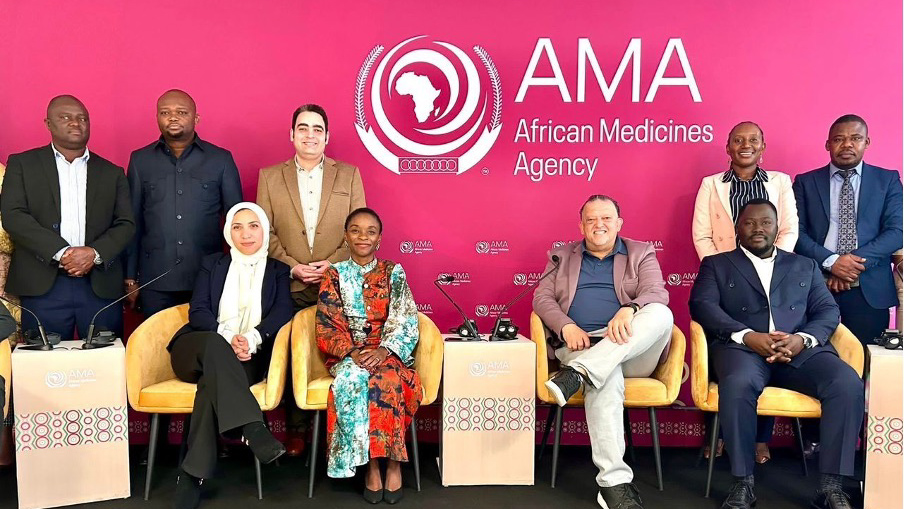
The African Medicines Agency (AMA) Secretariat convened members of the former Evaluation of Medicinal Products Technical Committee (EMP-TC) and the leadership of the former Good Manufacturing Practices Technical Committee (GMP-TC) at its headquarters in Kigali, Rwanda, from 21 to 24 April 2026, to validate the findings of the Retrospective Action Research and Financial Analysis of the Continental Listing Pilot. The validation exercise was intended to consolidate the lessons emerging from the pilot and to ensure that these inform the next phase of continental regulatory strengthening.
The Continental Listing Pilot, which ran from November 2023 to October 2025, marked a historic milestone with twelve medical products listed at the African continental level for the first time. The validated findings indicate that continental joint assessments and inspections are both feasible and effective, including for complex product categories such as biologics and vaccines. The analysis further established that the modality of inspection has a material bearing on cost, with remote and desk-based approaches offering notable efficiency gains, and that digital transformation, supported by a unified and secure platform, is essential for the scalability of continental regulatory functions. Strong alignment with national regulatory authorities was identified as a critical enabler, ensuring that continental decisions translate into reduced duplication and more streamlined regulatory processes at the country level.
The validated Lessons Learnt Report, Financial Analysis, and Recommendation Matrix will be submitted to the AMA governance structures for consideration. While the pilot has formally concluded, the AMA Secretariat has indicated that its outputs will continue to shape the trajectory of continental medicines regulation. The Agency is building on the foundational work undertaken by the African Medicines Regulatory Harmonisation (AMRH) Technical Committees, including the EMP-TC, GMP-TC and Vigilance TC, all of which have now been formally transitioned to the AMA.
The Continental Listing Pilot represents one of the most concrete demonstrations to date that joint regulatory work at the continental level is operationally viable, including for technically demanding product categories. As the AMA transitions from preparatory work towards full operationalisation, the validated evidence base from this pilot will be central to shaping its assessment models, costing frameworks and digital infrastructure. For African national regulatory authorities, the findings also signal a clear direction of travel, in which continental decisions are designed to complement, rather than duplicate, national regulatory processes.
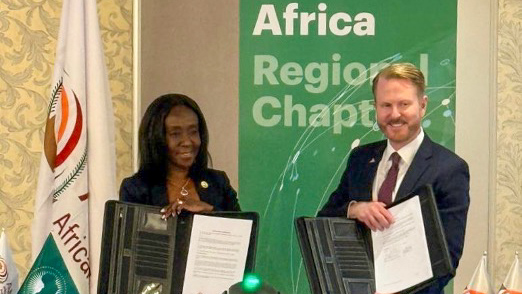
The AMA has signed a Memorandum of Understanding (MoU) with the United States Pharmacopeia (USP), formalising a framework for cooperation on regulatory science, pharmacopeial standards and capacity building. The partnership is aligned with the AMA's continental mandate to advance regulatory harmonisation and to strengthen national regulatory systems across Africa.
Under the MoU, the AMA and USP will collaborate on strengthening product quality monitoring and post market surveillance, enhancing regulatory capacity across African countries, and promoting coordinated, science based regulatory approaches. The Director General of the AMA, H.E. Delese Mimi Darko, indicated that the collaboration is intended to translate Africa's health security ambitions into coordinated regulatory systems that deliver tangible impact for patients across the continent. In addition to the MoU, the AMA joined the USP Convention. Through this membership, the AMA will contribute its expertise and continental perspective to global discussions on quality standards, while engaging with partners across sectors to support trust in medical products internationally.