MAA Regulatory Spotlight - 23
April 15, 2026
Showcasing the latest developments, news and updates from African national medicines regulatory authorities.
This edition of the Market Access Africa Regulatory Spotlight reflects sustained progress across the African regulatory landscape, with developments at national, regional and continental level demonstrating a shared commitment to strengthening regulatory systems and enhancing cooperation.
The Egyptian Drug Authority and the Rwanda Food and Drug Authority formalised the executive framework of their Memorandum of Understanding, signalling a deepening of inter-African regulatory collaboration. The agreement establishes practical mechanisms for technical cooperation, regulatory alignment, and knowledge exchange.
In Southern Africa, the Medicines Control Authority of Zimbabwe launched its Client Service Charter, reinforcing transparency, defined service standards and accountability in regulatory processes. By setting clear timelines and expectations, the move enhances predictability for stakeholders and supports more efficient market access pathways. Meanwhile, the Zambia Medicines Regulatory Authority convened industry stakeholders to address the growing concern of unregistered medicines entering the market. The engagement underscores the importance of pharmacovigilance, strengthened import controls and collaborative compliance efforts to safeguard public health and protect the integrity of national supply chains. In Botswana, the Botswana Medicines Regulatory Authority advanced international cooperation through the signing of a Memorandum of Understanding with Poland’s Office for Registration of Medicinal Products, Medical Devices and Biocidal Products. This partnership highlights the value of structured knowledge exchange and technical collaboration in enhancing regulatory standards and institutional capacity.
At continental level, the inaugural meeting of African Heads of National Regulatory Authorities convened by the African Medicines Agency marked an important step in the continued operationalisation of the Agency. African regulators also participated in a high-level dialogue on artificial intelligence in medicines regulation in Cape Town, with discussion exploring how emerging technologies can improve efficiency, strengthen evidence-based decision-making and accelerate regulatory review timelines while maintaining quality and safety standards.
Taken together, these developments point to a maturing regulatory landscape characterised by structured cooperation, digital transformation, strengthened oversight, and a collective emphasis on safeguarding the quality, safety, and efficacy of medical products. The continued collaboration among national, regional, and international partners will remain central to building resilient and responsive regulatory systems across the continent.
The Medicines Control Authority of Zimbabwe (MCAZ) has launched its Client Service Charter, reinforcing its commitment to transparency, accountability, and high-quality service delivery.
The Charter clearly outlines what stakeholders can expect when engaging with MCAZ, including defined service standards and timelines across key regulatory functions. These include:
The Client Service Charter introduces greater predictability and consistency in regulatory processes, strengthens stakeholder confidence and trust, enhances accountability and performance monitoring, and aligns MCAZ operations with ISO 9001:2015 Quality Management principles.
Through this initiative, MCAZ reaffirms its commitment to delivering fair, timely, professional, and ethical regulatory services in support of public health and the integrity of Zimbabwe’s medicines supply system.
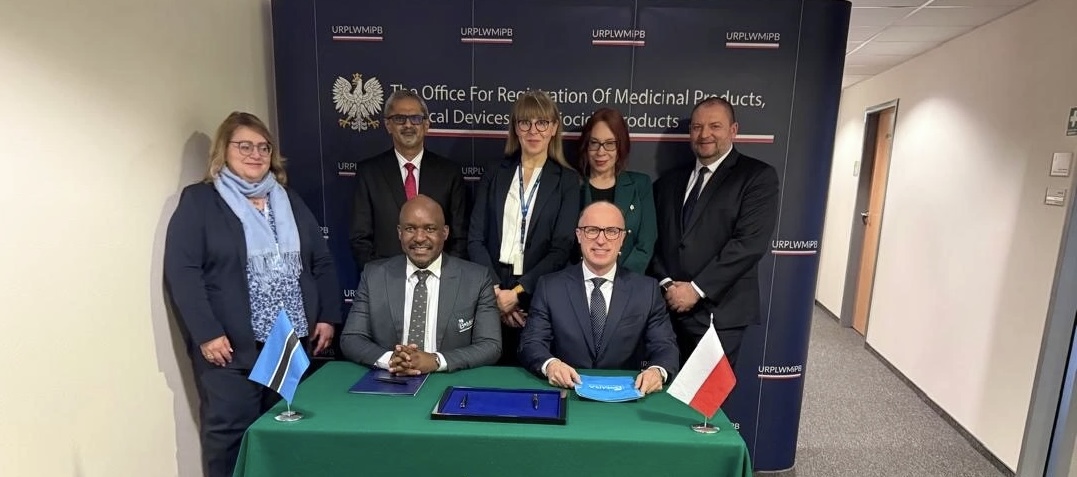
On 10 February in Warsaw, representatives of the Botswana Medicines Regulatory Authority (BoMRA) visited the Office for Registration of Medicinal Products, Medical Devices and Biocidal Products (URPL), culminating in the signing of a Memorandum of Understanding (MoU) between the two authorities.
This milestone marks an important step in strengthening international cooperation in the regulation of medicinal products and medical devices. The President of URPL, Grzegorz Cessak, described the visit as historic, noting that it was the first time representatives of an African National Regulatory Authority had visited the URPL office. The significance of the occasion was further reinforced by the formalisation of cooperation through the MoU.
The agreement establishes a broad framework for long-term collaboration, including the exchange of knowledge and experience in the marketing authorisation of medicinal products, cooperation in pharmacovigilance, regulatory oversight and support for clinical trials, and the exchange of information on medicinal product shortages and preventive measures. It also provides for collaboration in the regulation and supervision of medical devices, the organisation of joint workshops, conferences, study visits, and expert consultations, and joint efforts towards regulatory harmonisation and the protection of public health. In addition, the MoU creates mechanisms for regular working-level engagement, including the designation of contact points to coordinate ongoing cooperation.
URPL views this partnership as extending beyond the current collaboration supported by the European Medicines Agency (EMA) under the “Medicines Regulatory Systems Strengthening in Sub-Saharan Africa” initiative. Participation in this programme provides BoMRA with an opportunity to build lasting institutional relationships and advance its capacity-building, reliance, and recognition efforts.
Both authorities share a common goal of strengthening regulatory systems to safeguard public health and ensure access to safe, effective, and high-quality medicinal products and medical devices. The MoU forms part of the broader EMA-supported project implemented in collaboration with BoMRA and the Ethiopian Food and Drug Authority, under the Team Europe initiative, which aims to strengthen regulatory systems globally through coordinated institutional cooperation, knowledge exchange, and the development of sustainable regulatory capacity.

Heads of African National Regulatory Authorities participated in a high-level forum on the use of artificial intelligence in medicines regulation, organised by the Gates Foundation in Cape Town, South Africa. The forum brought together leaders of medicines regulatory authorities, technology experts, and representatives of international organisations involved in health systems strengthening. It signals growing recognition of digital innovation in regulatory systems.
The forum formed part of broader global efforts to advance the responsible use of artificial intelligence in support of health systems and regulatory functions. Responsible adoption of AI tools and other emerging technologies can enhance regulatory efficiency, strengthen evidence-based decision-making processes and accelerate regulatory review timelines while maintaining safety and quality standards. These efforts aim to accelerate access to safe, effective and quality-assured medicines, while supporting the continuous improvement of health service delivery and public health outcomes.

The Egyptian Drug Authority (EDA) and the Rwanda Food and Drug Authority (Rwanda FDA) have signed the executive framework of their Memorandum of Understanding (MoU), marking a key step in strengthening bilateral cooperation in medicines regulation. The framework was formalised during an official visit by EDA President Ali Al-Ghamrawy to Kigali, where he met with Rwanda FDA Director General Emile Bienvenu, in the presence of Egypt’s Ambassador to Rwanda, Hanan Shaheen.
The executive framework establishes mechanisms to enhance technical and administrative collaboration and to strengthen coordination of regulatory processes between the two authorities. The agreement is intended to support the exchange of expertise, promote regulatory best practices, and contribute to ensuring the safety, quality, and efficacy of medical products in both countries.
Both authorities highlighted the importance of the agreement in advancing regulatory cooperation and strengthening institutional capacity. The framework is expected to facilitate knowledge exchange, support the development of regulatory systems and contribute to improving oversight of medical products and public health protection.
The signing reflects the shared commitment of EDA and Rwanda FDA to strengthening regional cooperation, fostering regulatory alignment, and supporting the continued development of robust and effective pharmaceutical regulatory systems.
The Zambia Medicines Regulatory Authority (ZAMRA) convened a stakeholder consultative meeting on 5 February 2026, with representatives of the pharmaceutical industry to address concerns regarding the increasing importation of unregistered medicines and allied substances into Zambia.
ZAMRA has the statutory mandate under the Medicines and Allied Substances Act No. 3 of 2013 to ensure that only medicines that are safe, effective and of assured quality are made available to the public. There are significant public health risks associated with unregistered products which may enter the market without being granted marketing authorisation. Strengthened controls and industry dialogue are therefore important in any country as one strategy to reduce the circulation of unregistered products, mitigate patient safety risks and protect the integrity of the national medicines supply chain.
ZAMRA has therefore committed to strengthening regulatory oversight through enhanced import and export permit controls, routine inspections, post-marketing surveillance, and collaboration with law enforcement agencies to prevent the circulation of illegal consignments. The Authority will also coordinate action among government institutions, industry stakeholders, and the public to promote compliance.
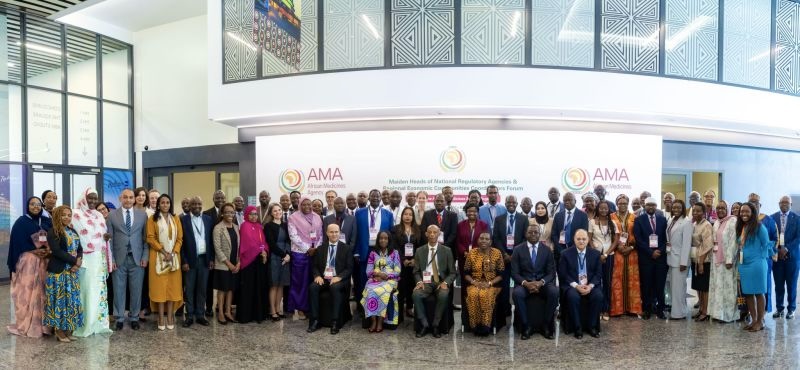
Convened by the African Medicines Agency (AMA), Kigali hosted the inaugural meeting of African Heads of National Regulatory Authorities (NRAs) between January 29th and 30th. The meeting marked an important step in ongoing efforts to operationalise the Agency and to further strengthen continental regulatory harmonisation.
Held under the theme “Building the African Medicines Agency Together”, the meeting brought together Director Generals of NRAs and representatives of regional economic communities. The discussions focused on advancing practical implementation and reinforcing existing collaborative frameworks across the continent.
Key areas of discussion included AMA governance arrangements, capacity building for national authorities, pharmacovigilance systems, and the digital transformation of regulatory processes. Discussions also included the importance of supporting local and regional pharmaceutical manufacturing as part of broader efforts to enhance health security and sustainable access to quality-assured medical products.
As the first meeting to convene NRA heads from across Africa, including countries that are not yet parties to the AMA Treaty, the gathering underscores the intention to maintain structured dialogue and sustained collaboration in support of continental regulatory harmonisation and the progressive operationalisation of AMA.