Supporting a First-in-Class Generic Injectable Contraceptive Launch
September 29, 2026
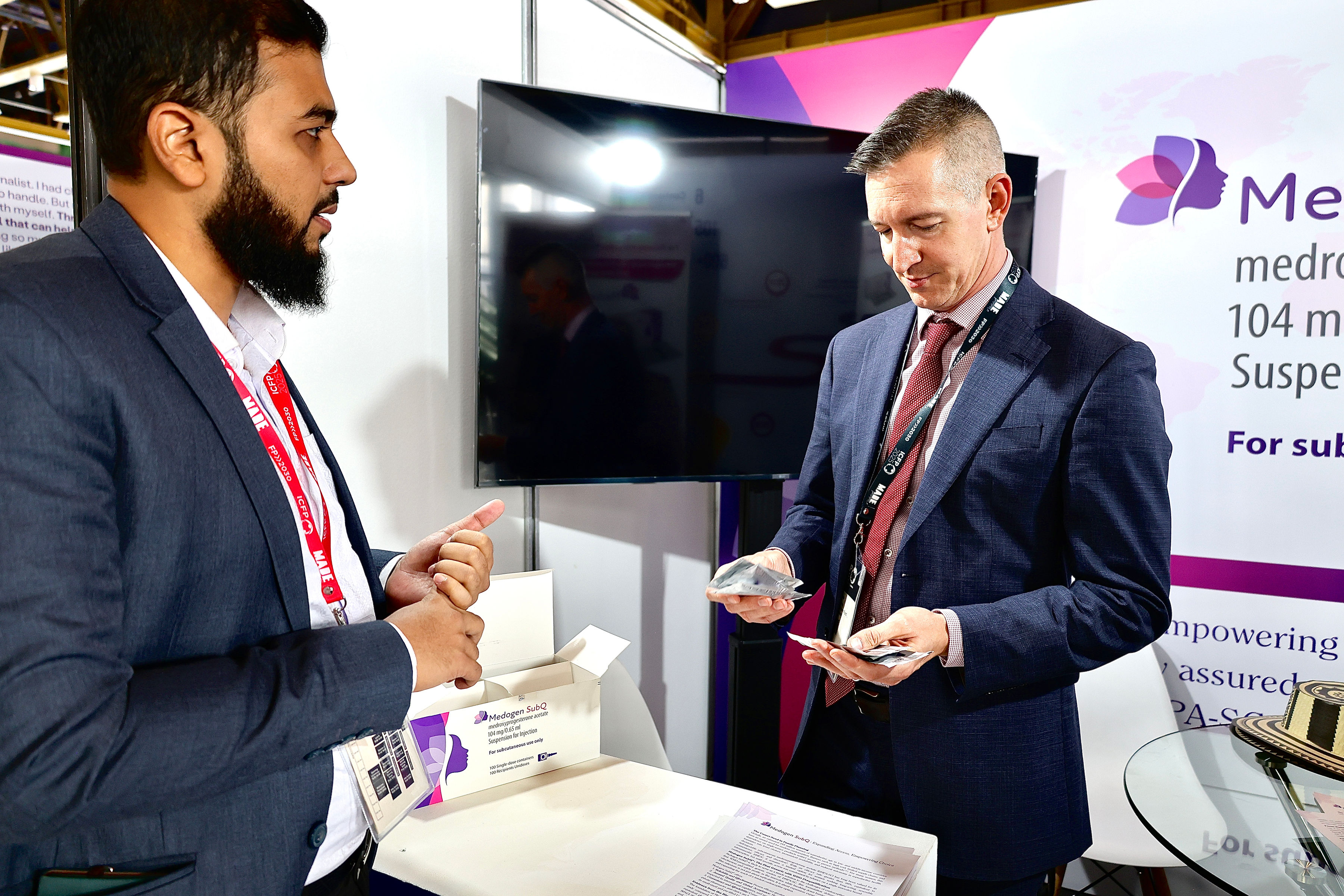
Expanding access to modern contraceptives requires a balance between product innovation and robust systems that ensure that products get to market at scale. Globally, 250 million women have an unmet need for modern contraception, and the heaviest burden falls on women and girls in low- and middle-income countries (LMICs), often resulting in unintended pregnancies and elevated maternal and child mortality rates.
Our clients, two international donors with a sustained track record of investing in the sexual and reproductive health (SRH) landscape, and a major generic pharmaceutical manufacturer based in South Asia, commissioned Market Access Africa to provide technical assistance in support of the global launch of the first generic subcutaneous depot medroxyprogesterone acetate (DMPA-SC) injectable contraceptive. DMPA-SC is a three-month, self-administered option designed to expand access to safe, reliable family planning for women and girls.
The donors were backing the manufacturer's ambition to launch the product in over 85 countries. The client, however, faced a complex set of challenges that jeopardized the planned global launch of this product including:
The engagement required MAA to bring commercial, regulatory and distribution expertise together into a single, coherent pathway to market, designed to move the product from launch readiness through to execution.
The engagement began with rigorous market research and country selection analysis, designed to identify the most strategic markets capable of achieving early adoption while enabling phased scaling. Building on this, MAA conducted a comprehensive distributor mapping across the shortlisted priority countries, assessing national SRH distributors against a stringent set of criteria. Distributors offering the most favorable conditions for getting the product to market were identified and contracted, then equipped with a bespoke management toolkit and guidelines to enforce consistent commercial behavior and pricing discipline.
These insights informed comprehensive commercialization and marketing plans, encompassing channel strategy, pricing guidance, and market positioning across both public and private sectors. This commercial architecture was underpinned by a dedicated regulatory strategy, including dossier submission support and tailored engagement with national and regional regulatory authorities, structured to pre-empt the delays that most commonly extend time to market for generic entrants.
MAA's engagement with the clients has extended into a third phase following a successful launch and commercialization strategy that is already delivering strong early wins. Our work has positioned the manufacturer as the reference generic supplier of DMPA-SC and has given the donors a clear pathway to a return on their market access investment.
On the regulatory side, MAA's regulatory facilitation and stakeholder introductions have contributed to dossier submissions with multiple National Regulatory Authorities (NRAs). These submissions support targeted launches in 15 countries by the end of 2026, followed by a phased roll-out to approximately 85 countries by 2028, market conditions permitting.
By securing distributor readiness ahead of launch, MAA has materially reduced time-to-market risk, positioning SRH products to reach public and private sector buyers efficiently and at scale. Most significantly, the manufacturer has since received WHO Prequalification for the first generic self-injectable contraceptive, a landmark achievement that expands the range of quality-assured contraceptive options available to women and girls worldwide.
This engagement demonstrates the value of rigorous market assessment founded on deep experience and insights into the nuances of different country dynamics, country-specific strategy, proactive regulatory engagement, and experienced stakeholder navigation in bringing generic products successfully into new and complex markets.
Program Manager: Dr. Sonia Osi


Market Access Africa supported a global pharmaceutical manufacturer in the development oa comprehensive product launch strategy for the first WHO-Prequalified generic contraceptive for women and girls in over 85 countries.


